AI Integration Guide: Implementing Smart Solutions for Your Company
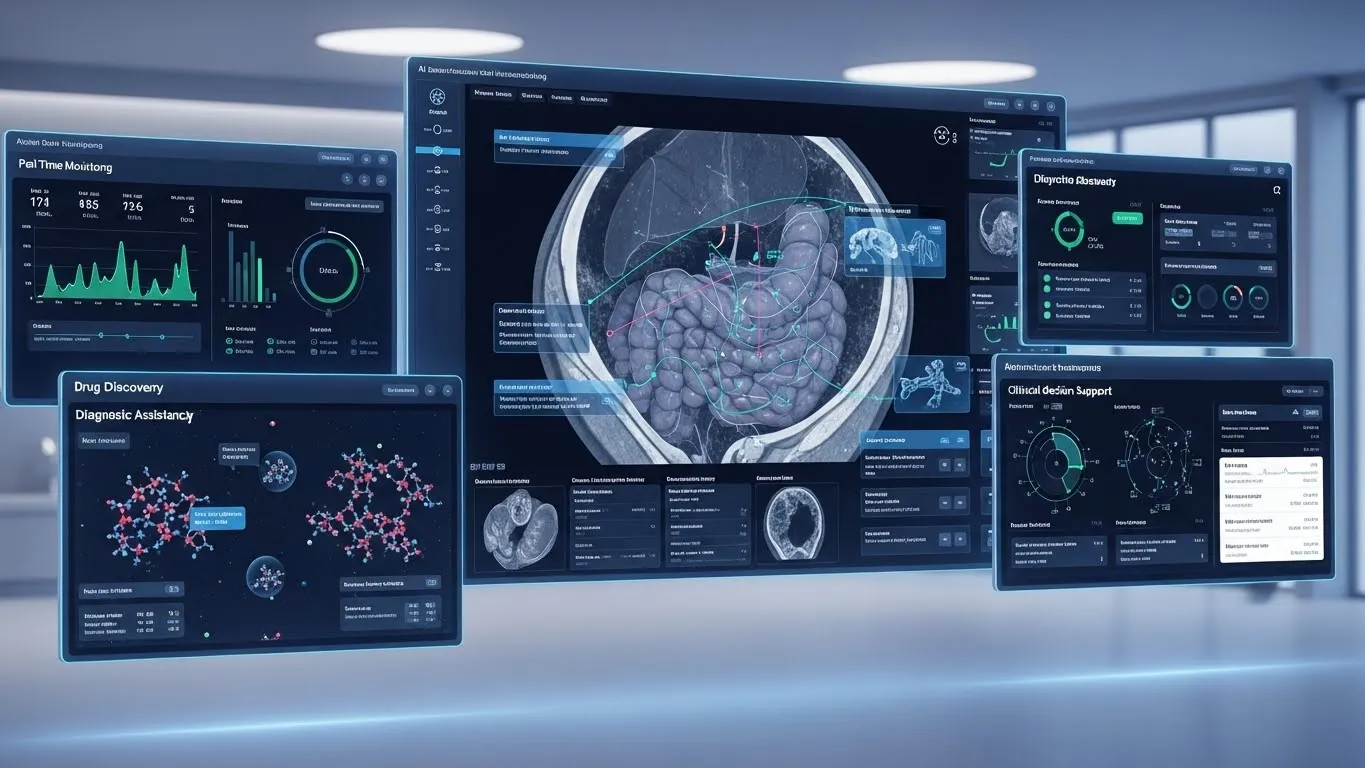
The advent of Artificial Intelligence (AI) presents an unparalleled opportunity for businesses to revolutionize their operations, enhance customer experiences, and unlock new avenues for growth. Integrating AI isn't just about adopting new technology; it's about strategically embedding intelligent systems to drive efficiency and innovation. This guide will walk you through the essential steps and considerations for implementing smart solutions for your company through AI integration, ensuring a smooth and impactful transition. We'll explore how to identify the right AI applications, manage the integration process, and measure the success of your AI initiatives.
Key Points:
- Strategic AI Alignment: Focus on business needs, not just technology.
- Phased Integration: Start small, scale gradually for manageable adoption.
- Data Foundation: Ensure quality and accessibility of data for AI success.
- Talent & Training: Invest in upskilling your workforce.
- Ethical Considerations: Prioritize responsible AI deployment.
Understanding the Value of AI Integration for Your Business
AI integration is the process of incorporating artificial intelligence technologies into existing business processes, systems, and workflows. The core value lies in its ability to automate tasks, analyze vast amounts of data, provide predictive insights, and personalize customer interactions. By implementing smart solutions for your company using AI, you can expect significant improvements in productivity, cost reduction, and a more competitive edge in the market. This transformation can touch nearly every facet of an organization, from customer service and marketing to operations and research and development.
Automating Repetitive Tasks
One of the most immediate benefits of AI integration is the automation of mundane, repetitive tasks. Chatbots can handle customer inquiries, AI-powered software can process invoices, and intelligent algorithms can manage inventory. This frees up human employees to focus on more complex, creative, and strategic work, boosting overall employee satisfaction and productivity.
Enhancing Data Analysis and Insights
Businesses today are drowning in data. AI excels at sifting through these massive datasets to identify patterns, trends, and anomalies that would be impossible for humans to detect. This leads to data-driven decision-making, allowing companies to forecast market changes, understand customer behavior better, and optimize their strategies with unprecedented accuracy.
Improving Customer Experience
AI can personalize customer interactions at scale. From AI-powered recommendation engines on e-commerce sites to intelligent virtual assistants providing 24/7 support, AI enhances customer satisfaction by offering faster, more relevant, and tailored experiences. This personalized engagement is crucial for building loyalty in today's competitive landscape.
Strategic Planning: Laying the Groundwork for AI Integration
Before diving headfirst into AI adoption, a well-defined strategy is paramount. This involves understanding your business objectives, identifying areas where AI can have the most significant impact, and assessing your current technological infrastructure and data readiness.
Identifying Business Needs and AI Opportunities
The first step in implementing smart solutions for your company with AI is to pinpoint specific business challenges or opportunities that AI can address. This could involve:
- Reducing customer support response times.
- Optimizing supply chain logistics.
- Improving fraud detection.
- Personalizing marketing campaigns.
- Streamlining internal HR processes.
Focus on problems that are measurable and align with your overarching business goals. Avoid implementing AI for AI's sake; ensure there's a clear return on investment (ROI) potential.
Assessing Data Readiness and Quality
AI algorithms are only as good as the data they are trained on. Before integration, it's crucial to:
- Inventory your data sources: Understand what data you have, where it resides, and its current state.
- Ensure data quality: Cleanse data of errors, inconsistencies, and duplicates. Poor data quality leads to flawed AI outputs.
- Establish data governance: Implement policies for data collection, storage, access, and security.
According to a report by IDC in 2024, organizations that prioritize data quality and governance are up to 30% more likely to achieve their AI project objectives. This highlights the critical role of a robust data foundation.
Defining Scope and Setting Realistic Goals
Begin with a pilot project or a specific use case. This allows you to test AI solutions in a controlled environment, learn from the experience, and refine your approach before a full-scale rollout. Set clear, measurable, achievable, relevant, and time-bound (SMART) goals for your AI initiatives. This will help in tracking progress and demonstrating the value of AI integration.
Implementing AI Solutions: A Step-by-Step Approach
Once your strategy is in place, the execution phase begins. This involves selecting the right AI tools and technologies, integrating them into your existing systems, and managing the change process within your organization.
Choosing the Right AI Technologies and Tools
The AI landscape is vast, offering solutions for various needs. For implementing smart solutions for your company, consider these common AI applications:
- Machine Learning (ML): For predictive analytics, pattern recognition, and anomaly detection. This is foundational for many advanced AI applications.
- Natural Language Processing (NLP): Powers chatbots, sentiment analysis, and text summarization. Essential for enhancing communication.
- Computer Vision: For image and video analysis, object detection, and facial recognition. Useful in manufacturing, security, and retail.
- Robotic Process Automation (RPA) with AI: Automates rule-based tasks by mimicking human interaction with digital systems, enhanced by AI for decision-making.
Your choice will depend on the specific problem you're trying to solve. Research vendors, consider scalability, integration capabilities, and the vendor's reputation.
Integrating AI into Existing Workflows
Integration is key to seamless AI adoption. This can involve:
- API Integrations: Connecting AI services with your current software through Application Programming Interfaces.
- Custom Development: Building bespoke AI solutions tailored to your unique requirements.
- Platform Solutions: Utilizing end-to-end AI platforms that offer a suite of tools.
Prioritize solutions that offer robust integration capabilities to minimize disruption. The goal is to make AI an invisible, yet powerful, enhancement to your daily operations.
Managing Change and Upskilling Your Workforce
AI integration often brings significant changes to how employees work. To ensure success:
- Communicate transparently: Explain the 'why' behind AI adoption and its benefits to employees.
- Provide training and development: Equip your staff with the skills needed to work alongside AI or manage AI systems. This can involve workshops, online courses, or internal training programs.
- Foster a culture of learning: Encourage experimentation and continuous improvement with AI.
A study by McKinsey in late 2023 indicated that companies with strong change management strategies are twice as likely to achieve their AI ROI targets. This underscores the human element in successful AI integration.
Differentiated Value: Beyond Basic Implementation
While many companies focus on the technical aspects of AI, truly successful integration also hinges on strategic foresight and a human-centric approach.
Focus on "Augmented Intelligence," Not Just Automation
Instead of solely aiming to replace human tasks, consider how AI can augment human capabilities. This "augmented intelligence" approach focuses on AI as a collaborator, enhancing decision-making, creativity, and problem-solving for your employees. For instance, AI can flag potential risks in a financial report, but a human analyst provides the nuanced judgment and strategic context. This partnership fosters innovation and ensures that critical human oversight remains in place.
Embracing Ethical AI and Responsible Deployment
As AI becomes more pervasive, ethical considerations are no longer optional but essential for long-term trust and sustainability. This involves:
- Algorithmic Fairness: Ensuring AI models do not perpetuate or amplify existing biases.
- Transparency and Explainability: Understanding how AI makes decisions, especially in critical areas like hiring or lending.
- Data Privacy and Security: Robust measures to protect sensitive information used by AI systems.
Companies that proactively address these ethical concerns build stronger brand reputations and avoid potential legal and reputational risks. For example, in 2025, the European Union implemented stricter regulations regarding AI bias, forcing many organizations to re-evaluate their AI development practices.
Measuring the Success of AI Integration
Quantifying the impact of AI is crucial for justifying investments and identifying areas for further optimization.
Defining Key Performance Indicators (KPIs)
Establish KPIs before you begin the integration process. These should be directly linked to your initial business objectives. Examples include:
- Customer Satisfaction Scores (CSAT): To measure the impact on customer experience.
- Operational Efficiency Metrics: Such as reduced processing times, error rates, or cost savings.
- Employee Productivity: Measured by output or time freed up for higher-value tasks.
- Revenue Growth or Cost Reduction: Direct financial impact.
Continuous Monitoring and Iteration
AI integration is not a one-time event. Continuously monitor your AI systems and their performance against your KPIs. Regularly analyze the data to identify any drift in model performance, new opportunities, or areas needing adjustment. This iterative approach ensures your AI solutions remain effective and aligned with evolving business needs. The dynamic nature of AI necessitates a commitment to ongoing refinement, as highlighted in an AWS report from 2024.
Frequently Asked Questions (FAQ)
Q1: How do I start implementing AI if my company has limited resources? Start with low-cost, high-impact AI solutions like free chatbot builders for customer service or leveraging AI features already present in your existing software. Focus on a single, well-defined problem where AI can demonstrate clear value, allowing you to build a business case for further investment.
Q2: What are the biggest challenges in AI integration? Common challenges include data quality issues, resistance to change from employees, lack of skilled personnel, and integrating AI with legacy systems. Addressing these proactively through training, clear communication, and phased implementation is crucial for overcoming them.
Q3: How can I ensure my AI integration is secure? Prioritize data security from the outset. Implement robust access controls, encryption, regular security audits, and choose AI vendors with strong security protocols. Educate your team on cybersecurity best practices related to AI data handling.
Q4: What is the difference between AI and ML? Artificial Intelligence (AI) is the broader concept of machines performing tasks that typically require human intelligence. Machine Learning (ML) is a subset of AI that enables systems to learn from data without explicit programming, improving their performance over time through experience.
Conclusion and Next Steps
Implementing smart solutions for your company through AI integration is a transformative journey. By strategically planning, focusing on clear business objectives, prioritizing data quality, embracing ethical AI, and investing in your people, you can unlock the immense potential of artificial intelligence. Don't be afraid to start small, learn from your experiences, and scale your AI initiatives incrementally.
We encourage you to share your experiences with AI integration in the comments below! What challenges have you faced, or what successes have you achieved? Subscribe to our newsletter for more insights into the latest AI trends and best practices in conversational AI and chatbot development.
For readers interested in further exploring how AI can enhance communication within their organization, delve into our articles on [textual description of internal link related to advanced chatbot functionalities]. If you're curious about the financial implications of AI, you might find our guide on [textual description of internal link related to ROI of AI projects] insightful.