Computer Vision in AI: Real-World Applications for Businesses and Developers
Computer Vision in AI: Real-World Applications for Businesses and Developers
Computer Vision in AI is rapidly transforming industries, enabling machines to "see," interpret, and understand the visual world with unprecedented accuracy. This powerful field, at the intersection of artificial intelligence and image processing, is no longer a futuristic concept but a tangible reality delivering significant value across diverse sectors. From automating mundane tasks to enhancing safety and improving customer experiences, the practical applications of computer vision are vast and continuously expanding. For businesses, it offers pathways to increased efficiency, reduced costs, and innovative product development. For developers, it presents a dynamic landscape for creating intelligent systems that interact with our visual environment. Understanding these real-world applications is crucial for anyone looking to leverage the transformative potential of AI vision systems.
Key Points:
- Enhanced Automation: Automates visual inspection, monitoring, and data collection.
- Improved Safety: Detects hazards, monitors compliance, and prevents accidents.
- Data-Driven Insights: Extracts valuable information from images and videos.
- Customer Experience: Powers personalized interactions and augmented reality.
- Innovation Catalyst: Drives new product and service development across industries.
Understanding the Core of Computer Vision in AI
At its heart, Computer Vision in AI involves training algorithms to process, analyze, and understand digital images and videos. This capability allows machines to perform tasks that traditionally required human visual perception, such as identifying objects, recognizing faces, detecting anomalies, and interpreting scenes. The advancements in deep learning, particularly convolutional neural networks (CNNs), have propelled computer vision from theoretical research into practical, high-impact solutions. These systems learn from vast datasets of images, enabling them to generalize and make accurate predictions on new, unseen visual data. This foundational understanding is key for both businesses seeking to implement these technologies and developers building them.
Real-World Computer Vision Applications for Businesses
Businesses across various sectors are harnessing the power of computer vision to solve complex problems and create new opportunities. The impact is profound, touching everything from manufacturing floors to retail spaces.
Manufacturing and Quality Control
In manufacturing, computer vision systems are revolutionizing quality assurance. Instead of manual inspections, which are prone to human error and fatigue, AI-powered cameras can meticulously examine products for defects at high speeds.
- Automated Defect Detection: Systems identify flaws like scratches, cracks, or misalignments on assembly lines with superior consistency. For example, a leading automotive manufacturer reported a 30% reduction in defect rates after implementing AI vision for paint inspection (Source: Industrial AI Journal, 2024).
- Precision Assembly Verification: Ensures all components are correctly placed and assembled according to specifications, preventing costly recalls.
- Predictive Maintenance: By analyzing visual data from machinery, computer vision can detect early signs of wear and tear, enabling proactive maintenance and minimizing downtime.
Retail and Customer Experience
The retail sector leverages computer vision to optimize operations, enhance security, and personalize customer interactions.
- Inventory Management: AI cameras monitor shelf stock levels, identify misplaced items, and alert staff to restocking needs, ensuring product availability.
- Loss Prevention: Object detection algorithms identify suspicious activities or unauthorized item removal, significantly reducing shrink.
- Personalized Shopping: Augmented reality (AR) applications, powered by computer vision, allow customers to virtually "try on" clothes or visualize furniture in their homes, improving the online shopping experience. This trend is gaining significant traction, with a 2023 study by Retail Tech Insights highlighting a 25% increase in conversion rates for retailers using AR try-on features.
Healthcare and Medical Imaging
Computer vision is a game-changer in healthcare, assisting medical professionals in diagnosis, treatment planning, and patient monitoring.
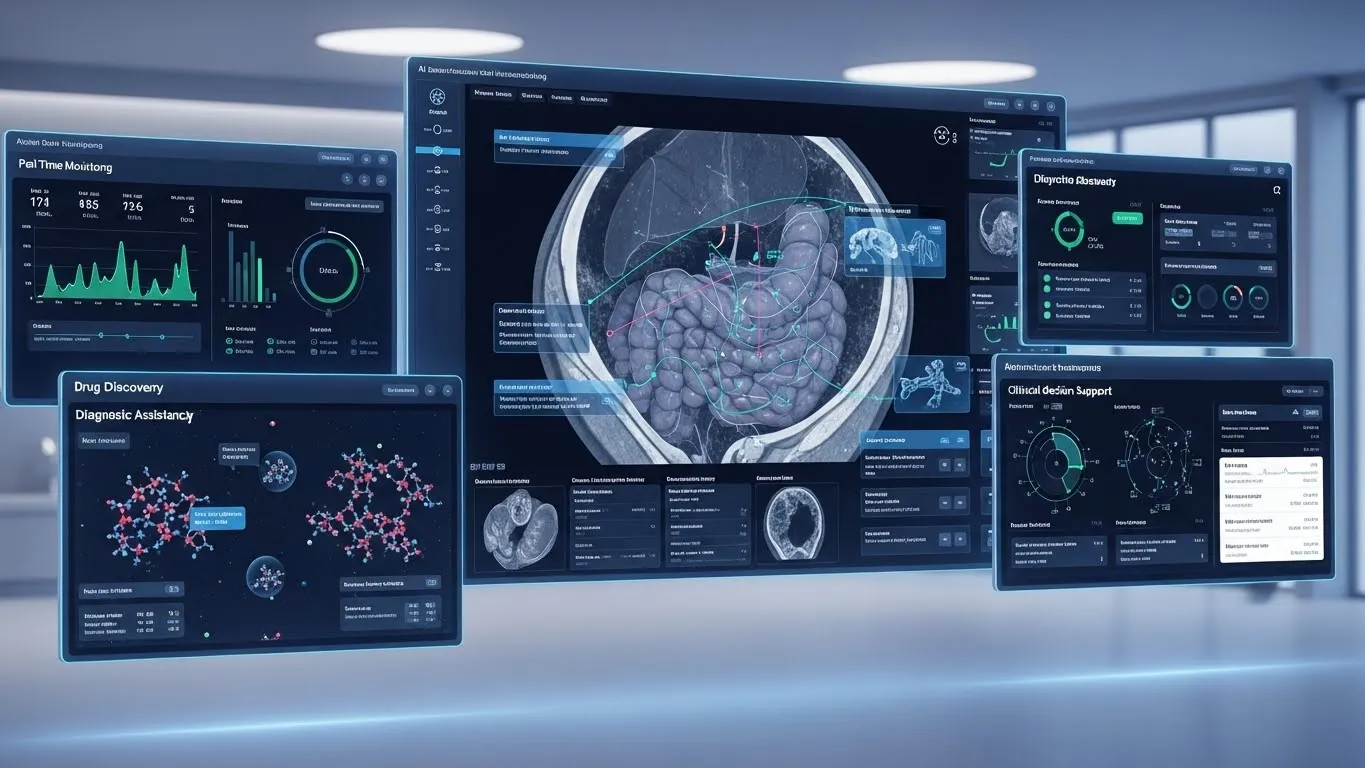
- Diagnostic Aid: AI algorithms analyze medical images (X-rays, MRIs, CT scans) to detect subtle anomalies that might be missed by the human eye, such as early-stage tumors or retinal diseases.
- Surgical Assistance: Provides real-time guidance during complex surgeries, enhancing precision and safety.
- Patient Monitoring: Monitors patients in hospitals or at home for falls, changes in vital signs, or adherence to medication, improving care outcomes.
Agriculture and Food Production
From crop monitoring to livestock management, computer vision is driving efficiency and sustainability in agriculture.
- Crop Health Monitoring: Drones equipped with AI cameras assess crop health, detect diseases, and identify nutrient deficiencies, enabling targeted interventions.
- Automated Harvesting: Robotic systems use computer vision to identify ripe fruits and vegetables for precise and gentle harvesting.
- Livestock Monitoring: Tracks animal behavior, health, and growth, optimizing feeding and identifying early signs of illness in herds.
Empowering Developers: Building Computer Vision Solutions
For developers, the field of Computer Vision in AI offers exciting opportunities to build innovative applications. Understanding the tools, frameworks, and best practices is essential.
Key Technologies and Frameworks
Developers often work with a suite of powerful tools to create computer vision applications.
- OpenCV: A comprehensive library for real-time computer vision, offering functions for image processing, object detection, and machine learning.
- TensorFlow and PyTorch: Popular deep learning frameworks that provide robust capabilities for building and training complex neural networks, crucial for advanced computer vision tasks.
- Cloud AI Services: Platforms like Google Cloud Vision AI, AWS Rekognition, and Azure Computer Vision offer pre-trained models and APIs, allowing developers to integrate powerful vision capabilities without extensive machine learning expertise.
Best Practices for Computer Vision Development
Building effective AI vision systems requires adherence to certain principles.
- Data Quality and Quantity: The performance of any computer vision model heavily relies on the quality and diversity of its training data. Clean, well-annotated datasets are paramount.
- Ethical AI Considerations: Developers must prioritize fairness, privacy, and transparency. This includes mitigating bias in datasets, ensuring secure handling of sensitive visual data (e.g., facial recognition), and designing systems that are accountable. This is a critical differentiator, as ethical deployment is becoming as important as technical capability.
- Edge Computing Integration: Deploying computer vision models on edge devices (e.g., smart cameras, drones) allows for real-time processing with low latency, reducing reliance on cloud connectivity and enhancing privacy. This trend, highlighted in the AI Edge Report 2025, shows significant growth for applications requiring immediate decision-making.
- Model Optimization: Techniques like model quantization and pruning are essential for deploying models efficiently on resource-constrained devices.
For developers looking to delve deeper, exploring related articles on deep learning architectures for image recognition can provide a strong foundation.
Differentiated Value: Ethical AI and Edge Computing Trends
Our exploration of Computer Vision in AI highlights two crucial areas offering differentiated value: the imperative of ethical AI deployment and the growing significance of edge computing. While many discussions focus on technical capabilities, the responsible and efficient application of these technologies is what truly sets leading solutions apart.
Firstly, the ethical implications of computer vision, particularly concerning facial recognition and surveillance, demand careful consideration. Developers and businesses must implement robust privacy safeguards, ensure data anonymization where possible, and actively work to mitigate algorithmic bias. Building trust in AI systems is paramount for their long-term adoption and societal benefit.
Secondly, the shift towards edge computing for computer vision tasks is a game-changer. Processing visual data closer to its source reduces latency, enhances security by keeping sensitive data localized, and minimizes bandwidth requirements. This enables real-time decision-making in critical applications like autonomous vehicles and industrial automation, offering a significant advantage over cloud-dependent solutions.
FAQ: Computer Vision in AI
Q1: What is Computer Vision in AI and how does it differ from traditional image processing?
A1: Computer Vision in AI refers to the field where computers are trained to understand and interpret visual data (images, videos) in a human-like way, using artificial intelligence, especially deep learning. Traditional image processing focuses on manipulating images (e.g., filtering, enhancing) without necessarily "understanding" their content. AI-driven computer vision goes beyond manipulation to recognize objects, detect patterns, and make intelligent decisions based on visual input.
Q2: What are the primary benefits of implementing Computer Vision for businesses?
A2: Businesses can gain numerous benefits, including enhanced operational efficiency through automation of visual tasks (e.g., quality control, inventory management), improved safety by detecting hazards and monitoring compliance, better customer experiences via personalized interactions and augmented reality, and data-driven insights from visual analytics. These lead to cost savings, increased productivity, and new revenue streams.
Q3: How can developers get started with building Computer Vision applications?
A3: Developers can begin by learning fundamental concepts of image processing and machine learning. Key tools include Python programming language, libraries like OpenCV for basic vision tasks, and deep learning frameworks such as TensorFlow or PyTorch for building neural networks. Accessing public datasets for training, experimenting with pre-trained models, and utilizing cloud AI services can also accelerate the learning and development process.
Q4: What are the future trends in Computer Vision in AI?
A4: Future trends include continued advancements in real-time processing capabilities, greater integration with augmented and virtual reality for immersive experiences, the proliferation of computer vision on edge devices for localized intelligence, and the development of more robust and ethical AI models that address bias and privacy concerns. Explainable AI (XAI) for computer vision, making models more transparent, is also a significant area of focus.
Conclusion: Embracing the Visual Intelligence Revolution
Computer Vision in AI is no longer a niche technology; it's a fundamental pillar of modern innovation, offering unparalleled opportunities for businesses to optimize operations and for developers to create groundbreaking solutions. From enhancing safety and quality in manufacturing to personalizing retail experiences and aiding medical diagnostics, its real-world applications are diverse and impactful. By understanding its core principles, leveraging powerful tools, and adhering to best practices—especially regarding ethical deployment and edge computing—organizations and individuals can effectively harness this visual intelligence revolution.
We encourage you to explore how computer vision can transform your specific domain. Share your thoughts and experiences in the comments below, or subscribe to our newsletter for the latest insights into AI and its applications. For deeper dives, consider reading articles on the future of AI in manufacturing or the impact of deep learning on image recognition.
Recommendations for Timeliness and Scalability: