Machine Learning Solutions: Driving Innovation with Predictive Analytics for Businesses
Machine Learning Solutions: Driving Innovation with Predictive Analytics for Businesses
In today's data-rich landscape, businesses are constantly seeking an edge, and Machine Learning Solutions stand out as a pivotal force. These advanced systems leverage historical data to identify patterns, make predictions, and automate complex decision-making processes. By integrating predictive analytics, companies can move beyond reactive strategies to proactive, insight-driven operations, fostering innovation and securing a competitive advantage. This article delves into how machine learning solutions are transforming industries, offering a clear path for businesses to harness their immense potential.
Key Points:
- Data-Driven Decisions: Machine learning empowers businesses with actionable insights derived from vast datasets.
- Operational Optimization: Automate processes, reduce waste, and enhance efficiency across various departments.
- Enhanced Customer Experience: Personalize interactions and predict customer needs for superior service.
- Risk Mitigation: Identify potential threats and anomalies early, safeguarding assets and operations.
- New Revenue Streams: Uncover market opportunities and develop innovative products or services.
The Transformative Power of Machine Learning Solutions in Business
The adoption of Machine Learning Solutions is no longer a luxury but a necessity for businesses aiming to thrive in a rapidly evolving digital economy. At its core, machine learning involves algorithms that learn from data, improving their performance over time without explicit programming. When applied through predictive analytics, these solutions enable organizations to forecast future trends, anticipate customer behavior, and optimize internal processes with remarkable accuracy. This capability translates directly into tangible business benefits, from cost savings to significant revenue growth.
Consider the sheer volume of data generated daily across all sectors. Without advanced tools, this data remains an untapped resource. Machine learning provides the intelligence to sift through this information, extracting valuable insights that human analysis alone would struggle to uncover. This shift towards data-driven decision-making is fundamentally changing how businesses operate, allowing for more informed and strategic choices.
Key Applications of Predictive Analytics for Business Growth
Machine Learning Solutions powered by predictive analytics offer a versatile toolkit for addressing a wide array of business challenges and opportunities. Their applications span virtually every industry, demonstrating their universal value.
Enhancing Customer Experience and Personalization
Predictive analytics allows businesses to understand their customers on a deeper level. By analyzing past purchasing behavior, browsing patterns, and demographic data, machine learning models can predict future preferences and churn risk. This enables companies to deliver highly personalized marketing campaigns, product recommendations, and customer service interactions. For instance, an e-commerce platform might use ML to suggest products a customer is likely to buy next, significantly boosting conversion rates.
Optimizing Operations and Supply Chains
In manufacturing and logistics, machine learning solutions are revolutionizing operational efficiency. Predictive maintenance models can forecast equipment failures before they occur, minimizing downtime and reducing repair costs. Similarly, in supply chain management, ML algorithms optimize inventory levels, predict demand fluctuations, and streamline logistics, leading to reduced waste and improved delivery times. A recent study by Gartner in 2024 highlighted that companies leveraging AI for supply chain optimization reported an average of 15% reduction in operational costs.
Financial Forecasting and Risk Management
The financial sector heavily relies on predictive analytics for fraud detection, credit scoring, and market forecasting. Machine learning models can identify unusual transaction patterns indicative of fraud with high accuracy, protecting both institutions and customers. Furthermore, these solutions provide sophisticated tools for assessing creditworthiness and predicting market volatility, allowing for smarter investment strategies and robust risk mitigation.
Innovation in Healthcare and Life Sciences
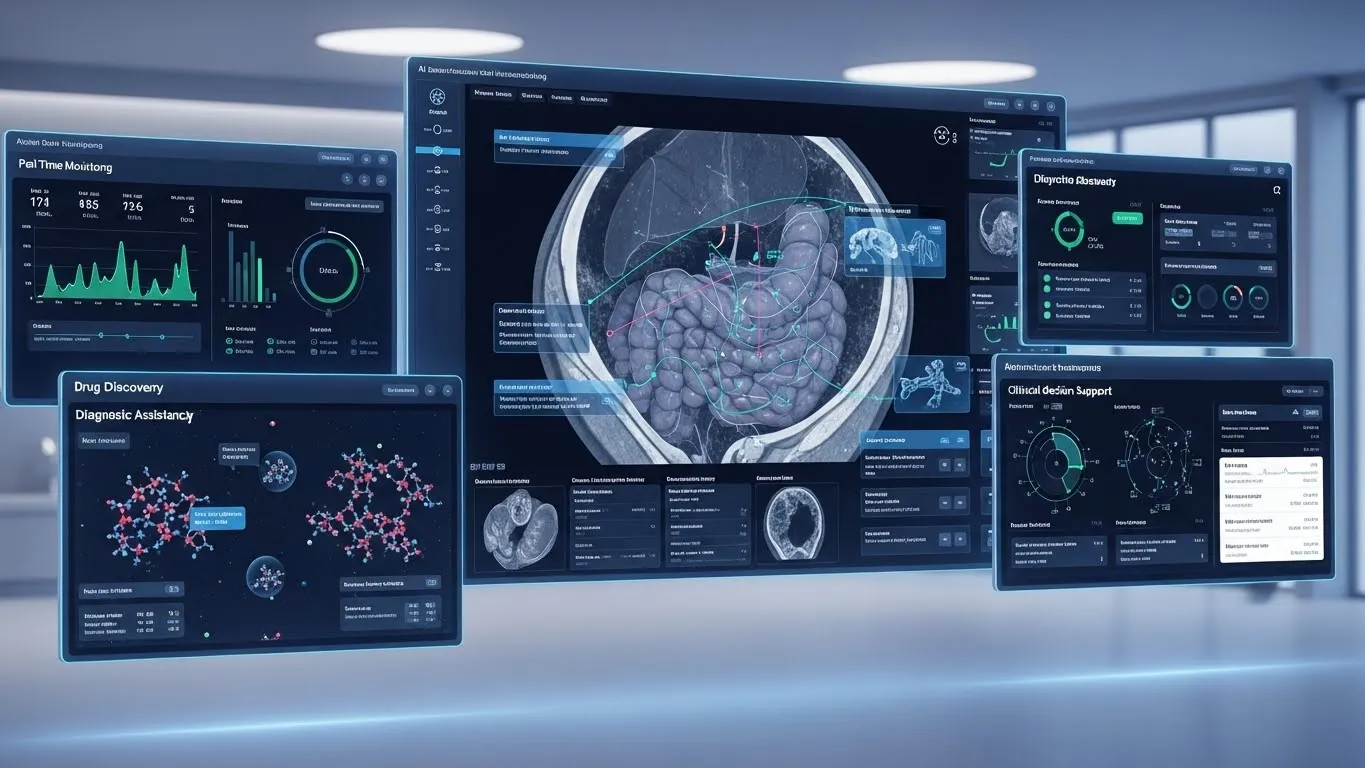
Machine Learning Solutions are accelerating discovery and improving patient care. From assisting in drug discovery by predicting molecular interactions to enhancing diagnostic accuracy through image analysis, ML is a game-changer. Predictive models can also identify patients at risk for certain conditions, enabling proactive interventions and personalized treatment plans.
Implementing Machine Learning Solutions: A Strategic Approach
Successfully integrating Machine Learning Solutions requires a strategic, phased approach. It's not merely about deploying technology, but about fostering a data-centric culture and ensuring proper governance.
1. Data Preparation and Quality
The foundation of any effective machine learning model is high-quality data. Businesses must invest in robust data collection, cleaning, and preparation processes. Garbage in, garbage out remains a critical principle. This involves consolidating data from various sources, handling missing values, and ensuring data consistency. Readers interested in optimizing their AI workflows can find more information in our articles on AI automation tools.
2. Model Selection and Training
Choosing the right machine learning model depends on the specific business problem. Whether it's classification, regression, or clustering, the selection impacts accuracy and interpretability. Training these models requires significant computational resources and expertise, often involving iterative adjustments to parameters to achieve optimal performance.
3. Integration and Deployment
Once trained, machine learning models need to be seamlessly integrated into existing business systems and workflows. This could involve embedding predictive capabilities into CRM platforms, ERP systems, or custom applications. Smooth deployment ensures that insights are actionable and accessible to the relevant stakeholders.
4. Continuous Monitoring and Refinement
Machine learning models are not set-it-and-forget-it solutions. Their performance can degrade over time due to changes in data patterns or underlying business conditions. Continuous monitoring is crucial to detect performance drift, and models must be regularly retrained and refined to maintain their accuracy and relevance.
Overcoming Challenges and Ensuring Ethical AI in Predictive Analytics
While the benefits are clear, implementing Machine Learning Solutions comes with its own set of challenges. Addressing these, especially concerning ethical considerations, is paramount for sustainable success.
Data Privacy and Bias
A significant concern is data privacy, particularly with regulations like GDPR and CCPA. Businesses must ensure that data used for training models is collected and processed ethically and legally. Furthermore, machine learning models can inadvertently perpetuate or amplify existing biases present in the training data. This can lead to unfair or discriminatory outcomes, such as biased loan approvals or hiring recommendations. Actively identifying and mitigating algorithmic bias is a critical responsibility. For deeper insights into data privacy, explore our content on data governance best practices.
Model Interpretability and Explainability
Many advanced machine learning models, often referred to as "black boxes," can be difficult to interpret. Understanding why a model made a particular prediction is crucial for building trust, debugging issues, and complying with regulatory requirements. The drive towards explainable AI (XAI) is gaining traction, focusing on developing methods to make complex models more transparent.
The Human-in-the-Loop Approach
Despite the power of automation, human oversight remains vital. A "human-in-the-loop" approach ensures that critical decisions are reviewed by human experts, especially in high-stakes scenarios. This collaborative model combines the efficiency of machine learning with the nuanced judgment and ethical reasoning of humans, leading to more robust and trustworthy outcomes.
The Future of Business with Advanced Machine Learning Solutions
The landscape of Machine Learning Solutions is continuously evolving, promising even more profound impacts on businesses. Staying abreast of these trends is key to maintaining a competitive edge.